


Soft: 0-60 mg/L or 0-3.5 grains per gallon (gpg). Moderately hard: 61-120 mg/L or 3.5-7 gpg. Hard: 121-180 mg/L or 7-10.5 gpg. Very hard: Over 180-250mg/L or over 10.5 gpg. Extremely hard: Over 250mg/l or over 15 gpg.
*Extended Appliance Life: Prevents damaging mineral scale from forming inside appliances and plumbing. *Improved Cleaning: Allows soaps and detergents to work more effectively, meaning you use less product. *Softer Skin & Hair: Reduces dryness and residue, leaving skin smoother and hair softer. *Spotless Dishes & Surfaces: Eliminates mineral spots and films on glassware and fixtures. *Cost Savings: Lowers energy bills by keeping water heaters efficient and reduces the need for frequent appliance repairs or replacements. *Brighter Laundry: Prevents mineral binding that leads to faded colors and dingy whites
Problems Caused By Hard Water
*Appliance Damage: Scale buildup inside water heaters, dishwashers, and washing machines reduces their efficiency, shortens their lifespan, and increases energy bills. *Plumbing Issues: Mineral deposits can accumulate in pipes, restricting water flow and reducing water pressure. *Poor Cleaning: Soap and detergent don't lather as well in hard water, requiring more product and leaving behind sticky soap scum on skin, dishes, and surfaces. *Stained Fixtures: White, chalky stains can appear on sinks, shower doors, glassware, and toilets. *Skin & Hair Problems: The mineral residue can make skin feel dry, irritated, and difficult to rinse clean, while hair can become dry, brittle, and prone to frizz. *Faded & Stiff Laundry: Clothes washed in hard water can appear dull, stiff, and may develop a yellowish tint over time

Hard Water, Chrlorine, Chrlormines and Taste & Odor


Hard Water, Celar Water Iron up to 2.0 mg/l
Chrlorine, Chlromines. TDS, Taste & Odors, VOCs, PFAs, Flourides

Chrlorine, Chlromines. TDS, Taste & Odors, VOCs, PFAs, Flourides
Bacteria, Viruses, Parasites

Bacteria, Viruses, Parasites


Hard Water, Chrlorine, Chrlormines and Taste & Odor

Treats Hard Water, Chrlonie, Chrlormines, Taste & odor

Treats Hard Water, Chrlonie, Chrlormines, Taste & odor

Treats Hard Water, Chrlonie, Chrlormines, Taste & odor


Chrlorine, Chlromines. TDS, Taste & Odors, VOCs, PFAs, Flourides
Treats Hard Water


Hard Water, Chrlonie, Sediment Taste & odor, Clear Water Iron up to 2 ppm

Hard Water, Chrlonie, Sediment Taste & odor, Clear Water Iron up to 2 ppm


Hard Water, Celar Water Iron up to 2.0 mg/l


Filters and Housings


Carbon Block- Taste & Odor, Sediment, VOCs, Lead, and Microbial Cysts

Polypropylene String Wound- Sediment


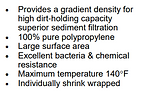
Grooved Poly-Bonded- Sediment


Granulated Carbon- Taste & Odor & Sediment

Poly-Bonded- Sediment


Polyester- Sediment

